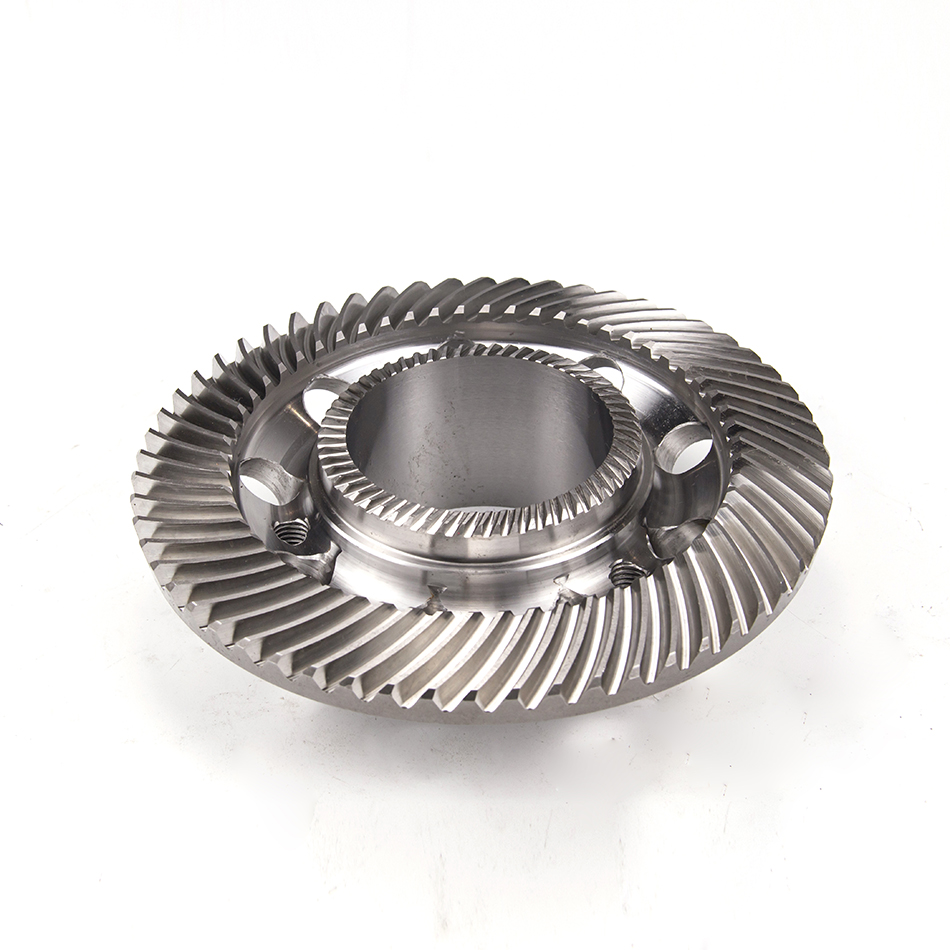
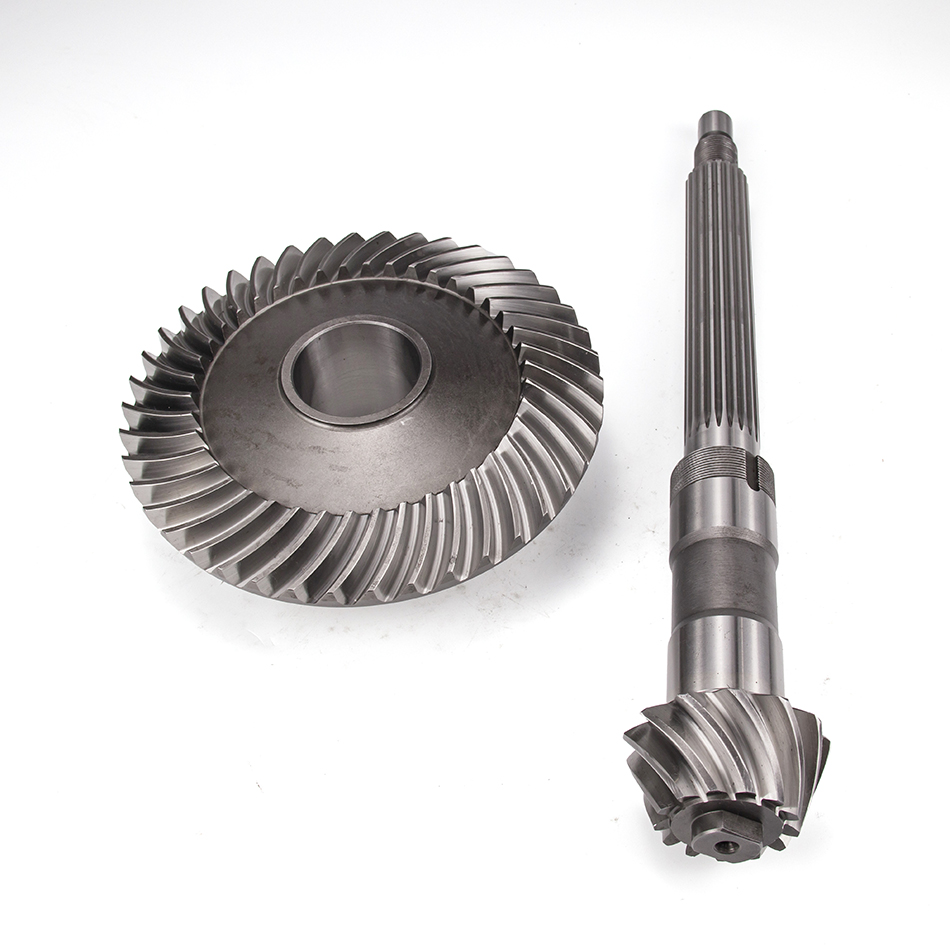
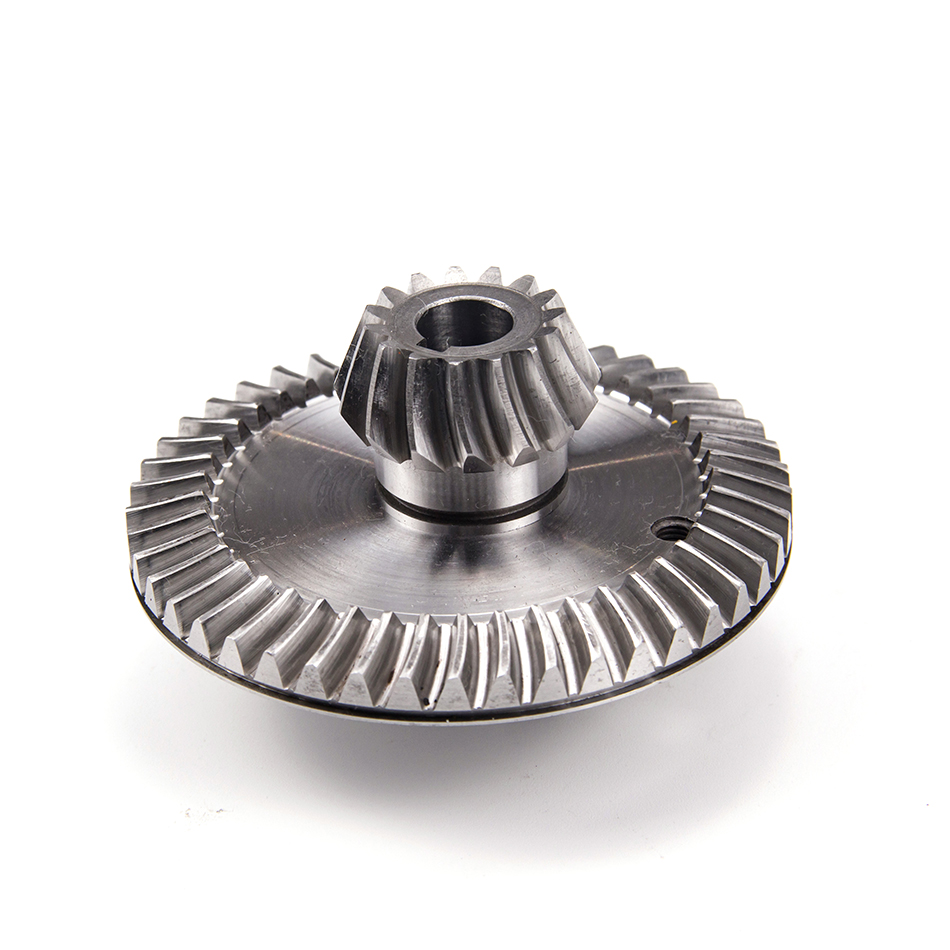
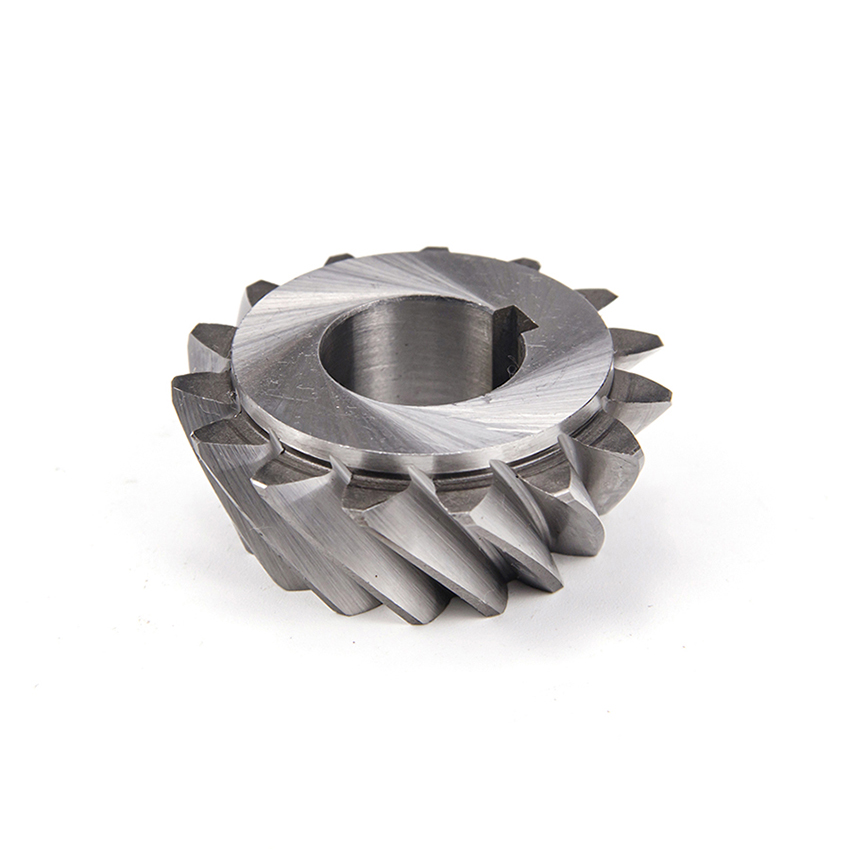
With the continued recovery of the global economy and technological advancement, global demand for high-performance, high-precision, and long-life mechanical transmission components is expected to continue to grow by 2025. In particular, gears and related products, such as gearboxes, play a vital role in various sectors, including automotive manufacturing, wind power generation, and aerospace. This article analyzes the international export outlook for gears and gearboxes over the next few years based on current trends.
I. Market Demand Analysis
1. The increasing degree of industrial automation has driven increased demand for precision machining equipment, which in turn has driven demand for high-quality gears and gearboxes.
2. The rapid development of the new energy vehicle industry has created a broad market for reducers specifically designed for electric vehicles.
3. As governments around the world increase their investment in renewable energy projects, particularly offshore wind farm construction, international demand for large gearboxes, a core component of wind turbines, is expected to further expand.
4. Industries such as aerospace also have a steady demand for special-purpose gears made of lightweight, high-performance materials.
II. Technological Development Trends
- Adoption of new materials (such as composite materials) to reduce weight while increasing strength;
- Utilization of advanced design software for optimized design to achieve higher efficiency and longer service life;
- Application of intelligent production processes to ensure more stable and reliable product quality;
- Green environmental protection concepts are gaining widespread popularity, prompting companies to develop more energy-saving and emission-reducing products.
III. Forecast of Major Exporting Countries/Regions
As one of the world's largest manufacturing bases, China possesses significant advantages in gear and gearbox manufacturing:
- A comprehensive industrial chain that meets the entire process from raw material supply to finished product assembly;
- Continuously improving technological innovation capabilities, with some high-end products reaching internationally advanced levels;
- Strong cost control capabilities and a high cost-performance ratio facilitate expansion into overseas markets.
Therefore, China is expected to maintain its leading position in global gear and gearbox exports. Furthermore, traditional industrial powers such as Germany and Japan, with their deep expertise in precision manufacturing, will also become important export sources.
IV. Challenges and Opportunities
While the outlook is promising, the industry also faces numerous challenges, including but not limited to:
- International trade frictions may affect market access in certain markets;
- Standards differences between countries and regions require manufacturers to adapt flexibly;
- Rapid technological advancements require companies to continuously invest in R&D to remain competitive.
In short, the gear and gearbox export market in 2025 is filled with both promise and challenges. For companies hoping to seize this development opportunity, staying current with cutting-edge technology and strengthening international cooperation will be key. At the same time, they must also be mindful of risk mitigation and enhance their resilience to external shocks through diversified strategies.