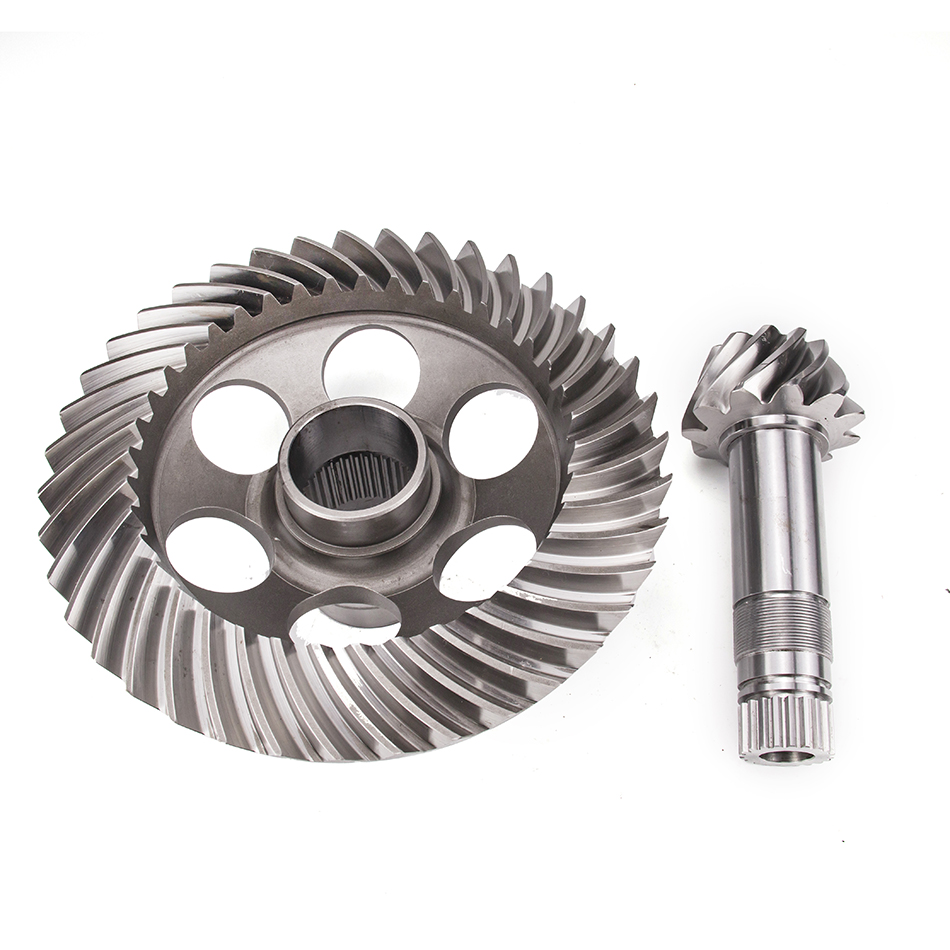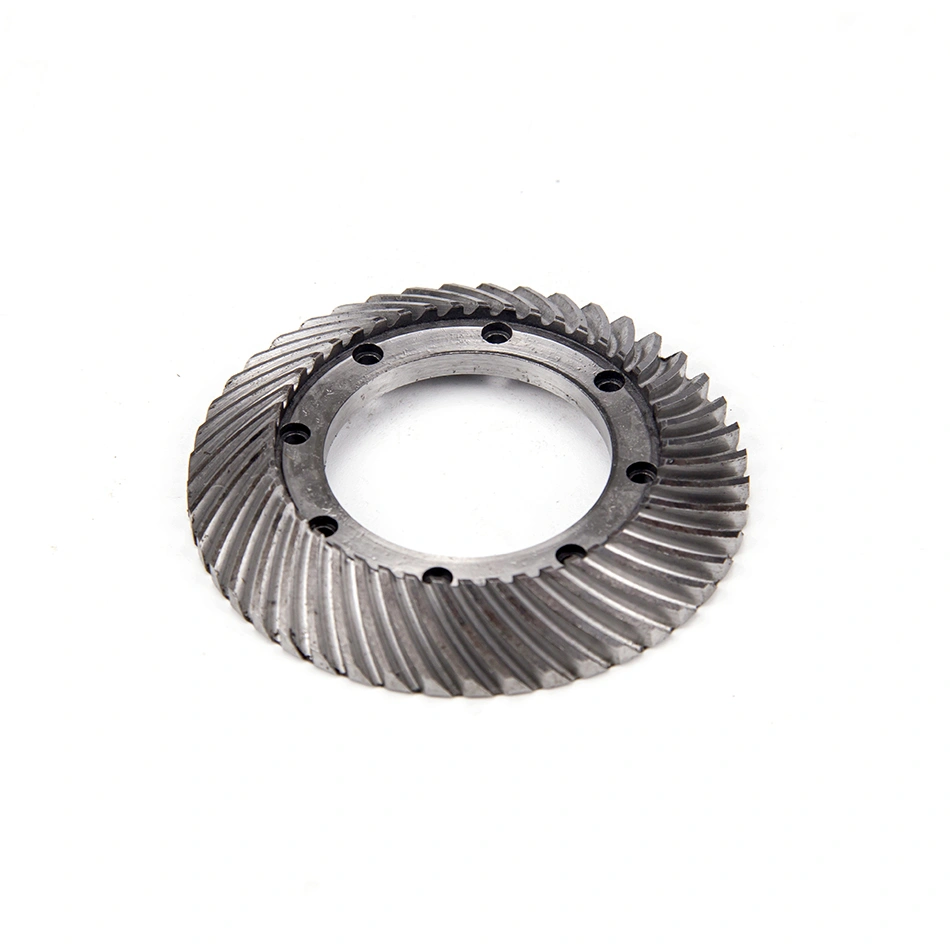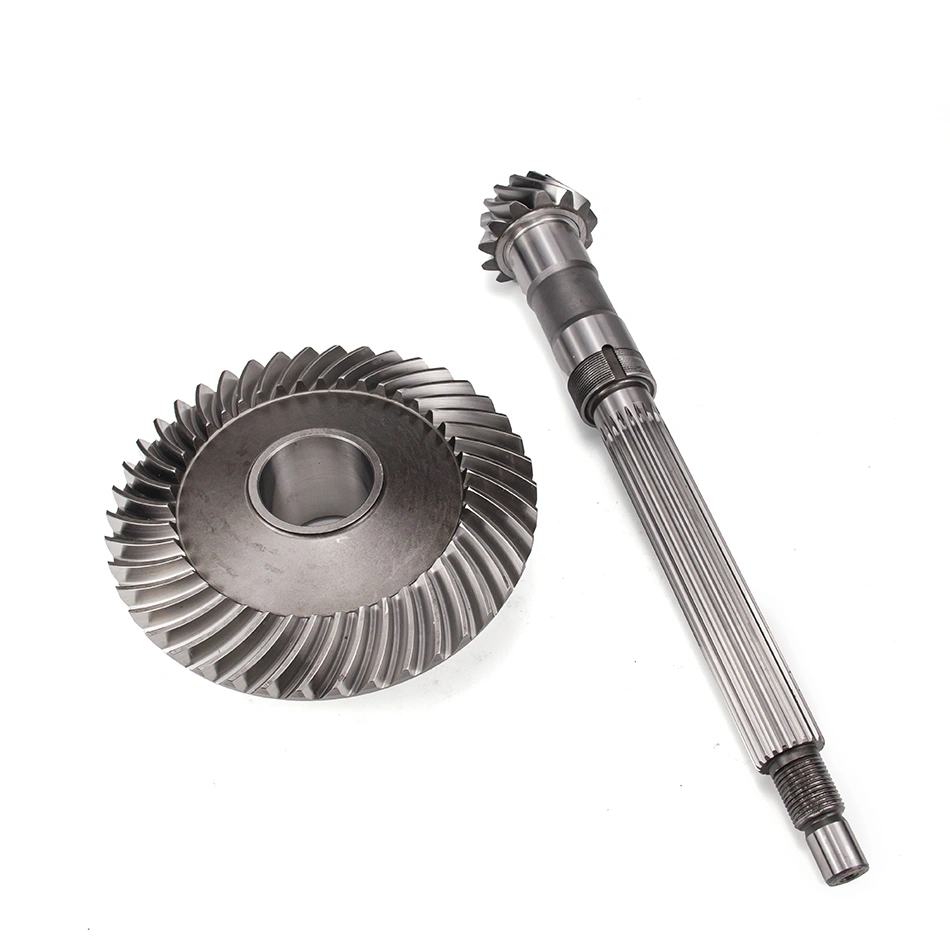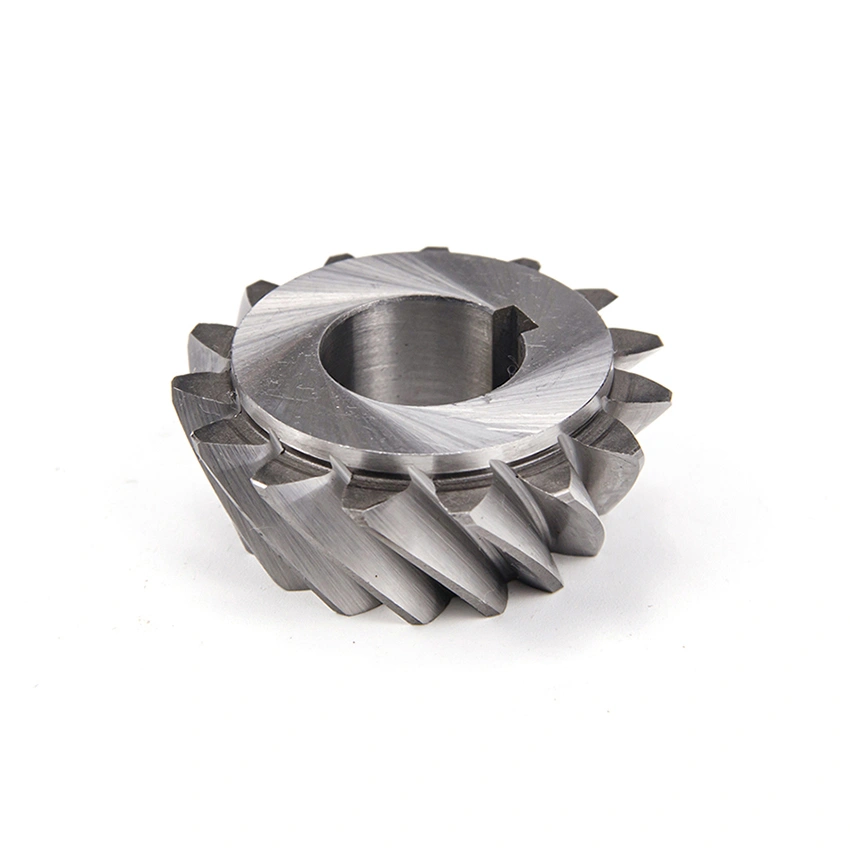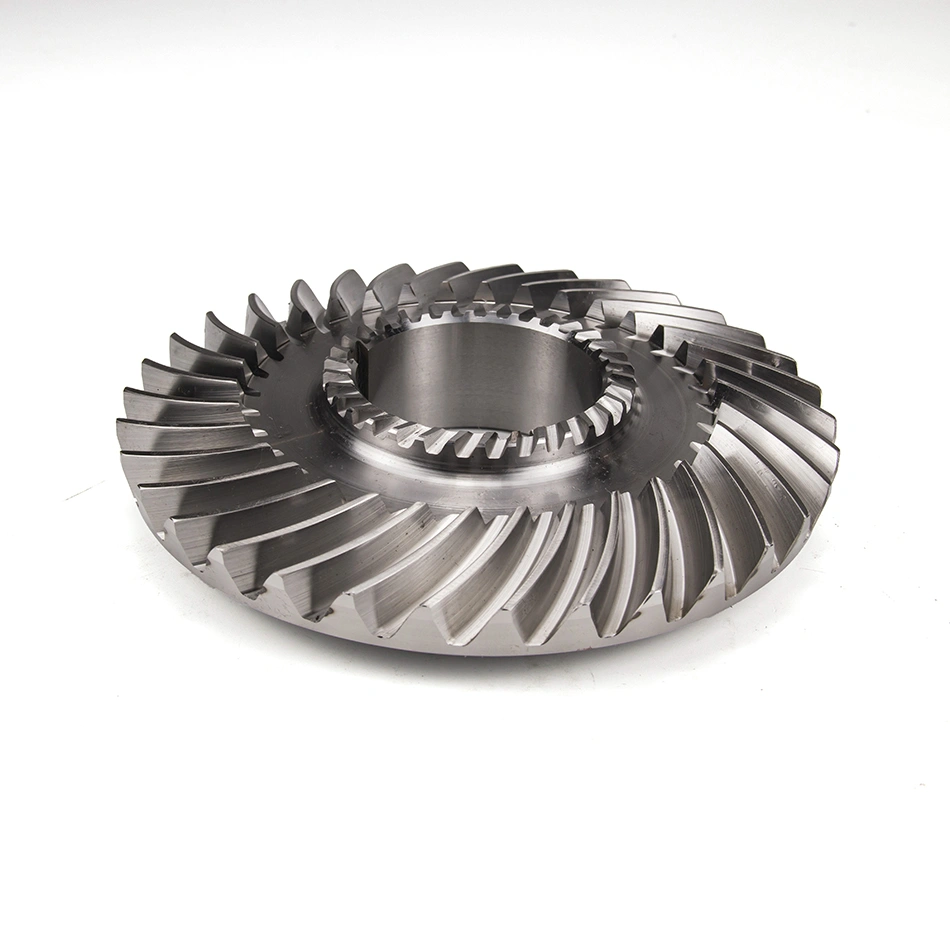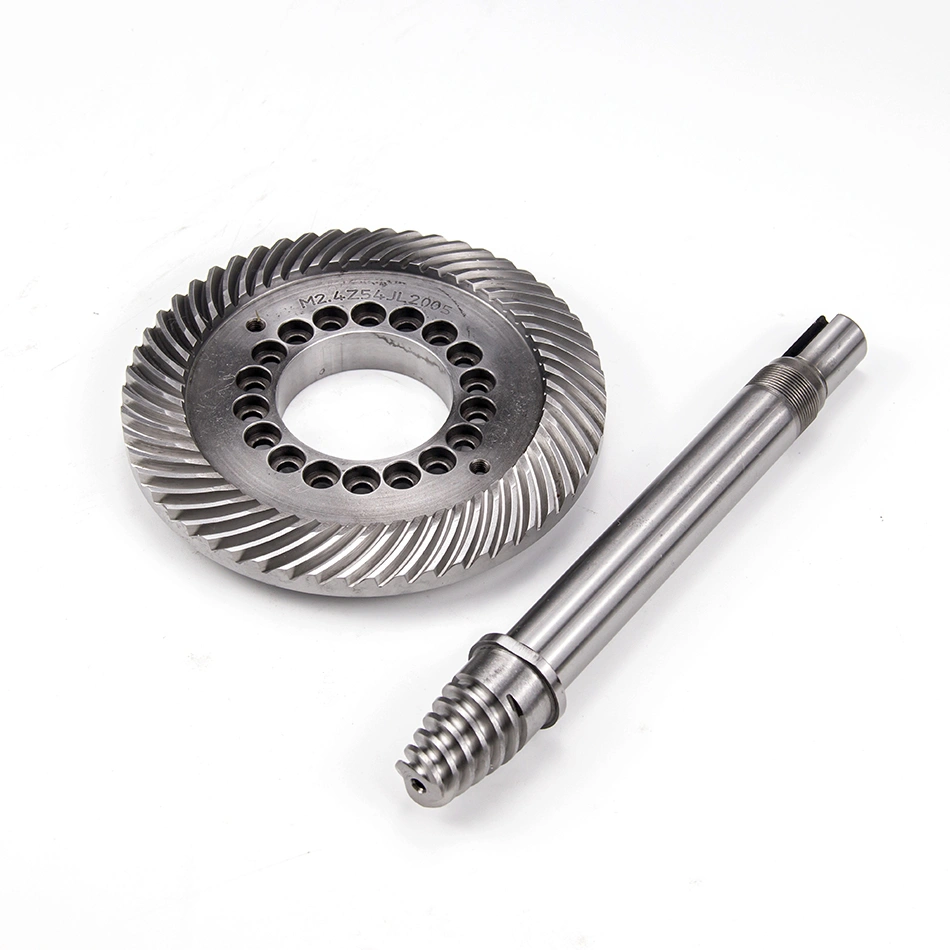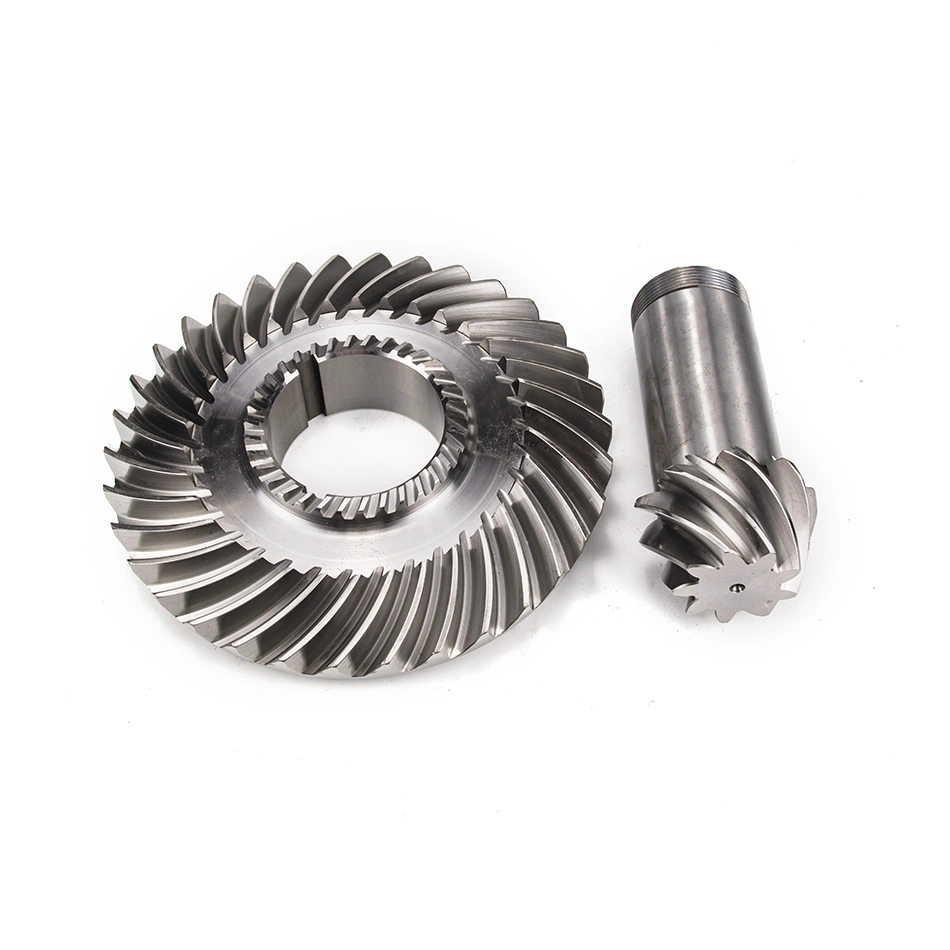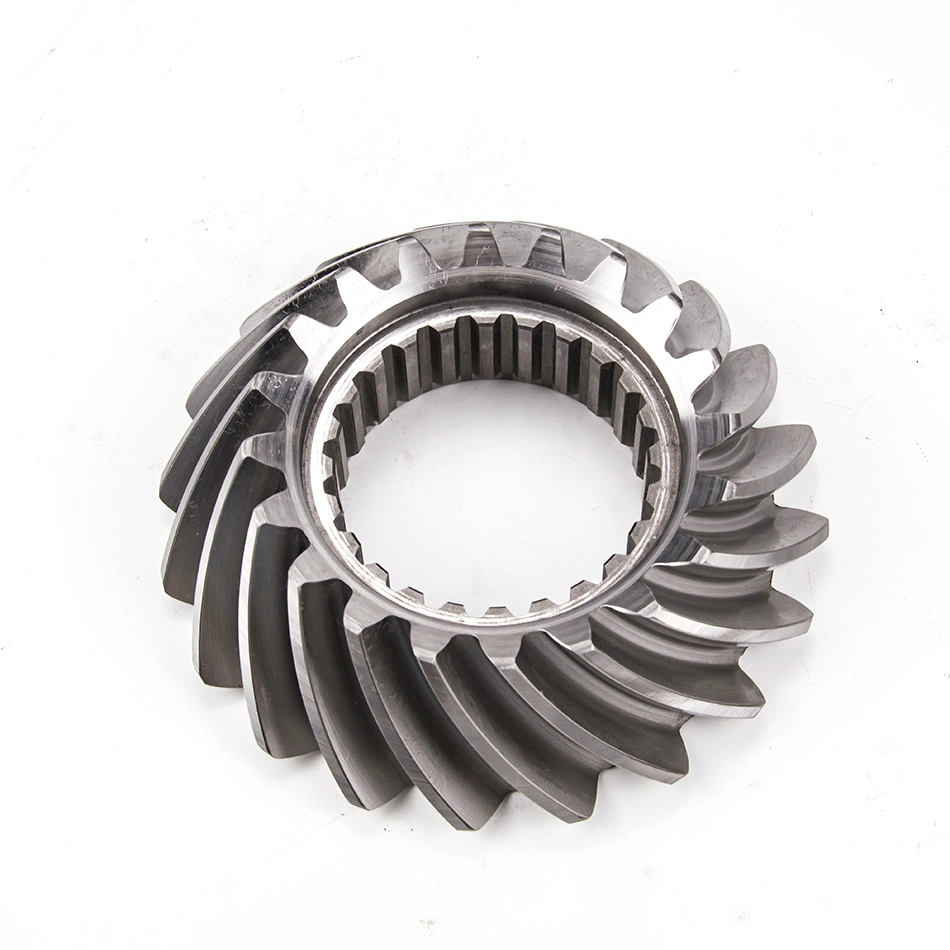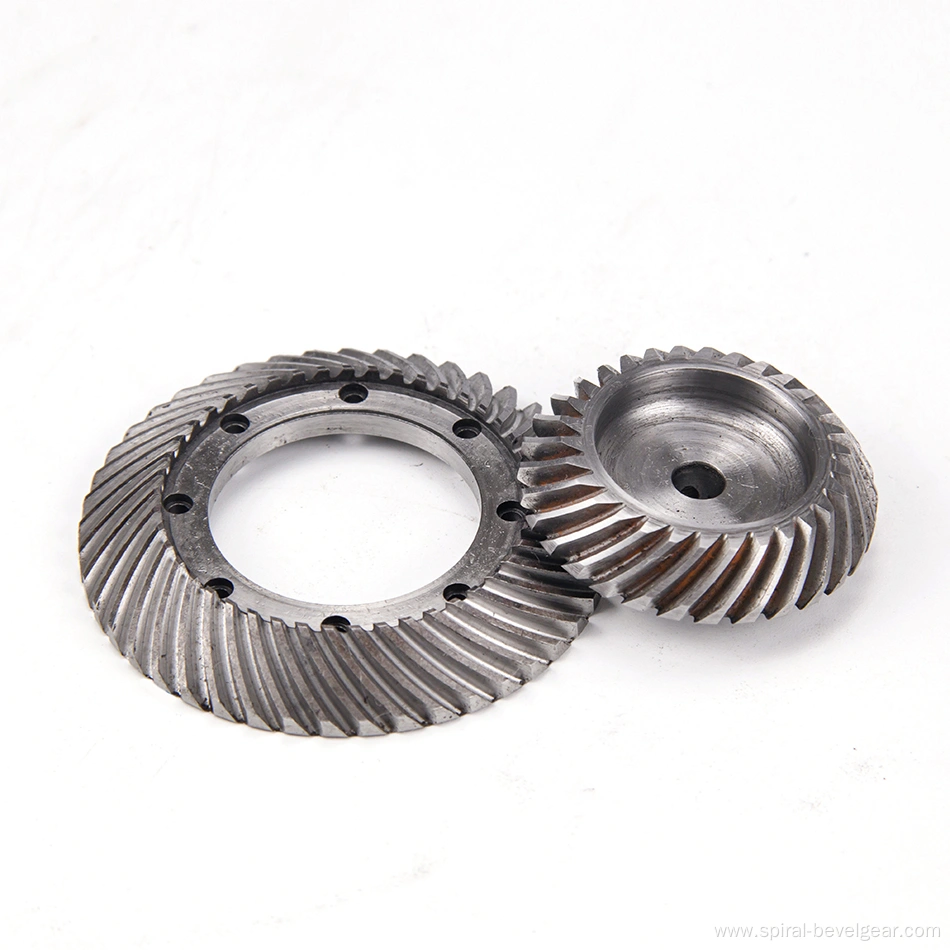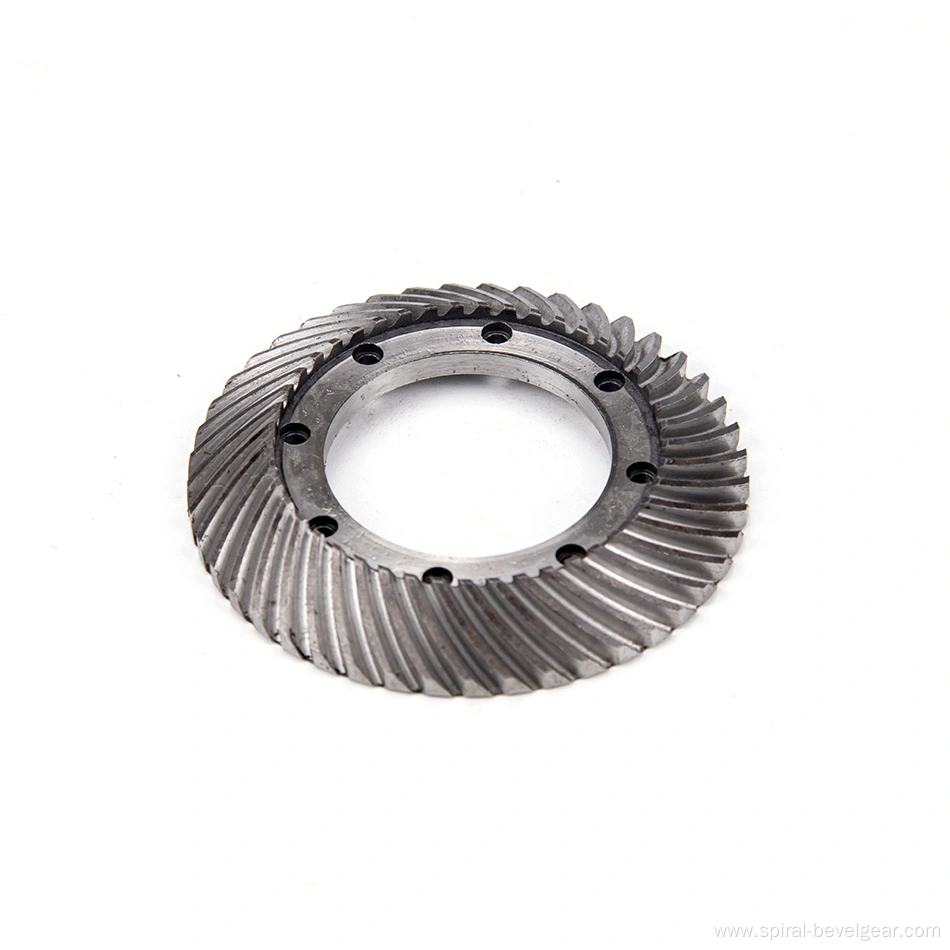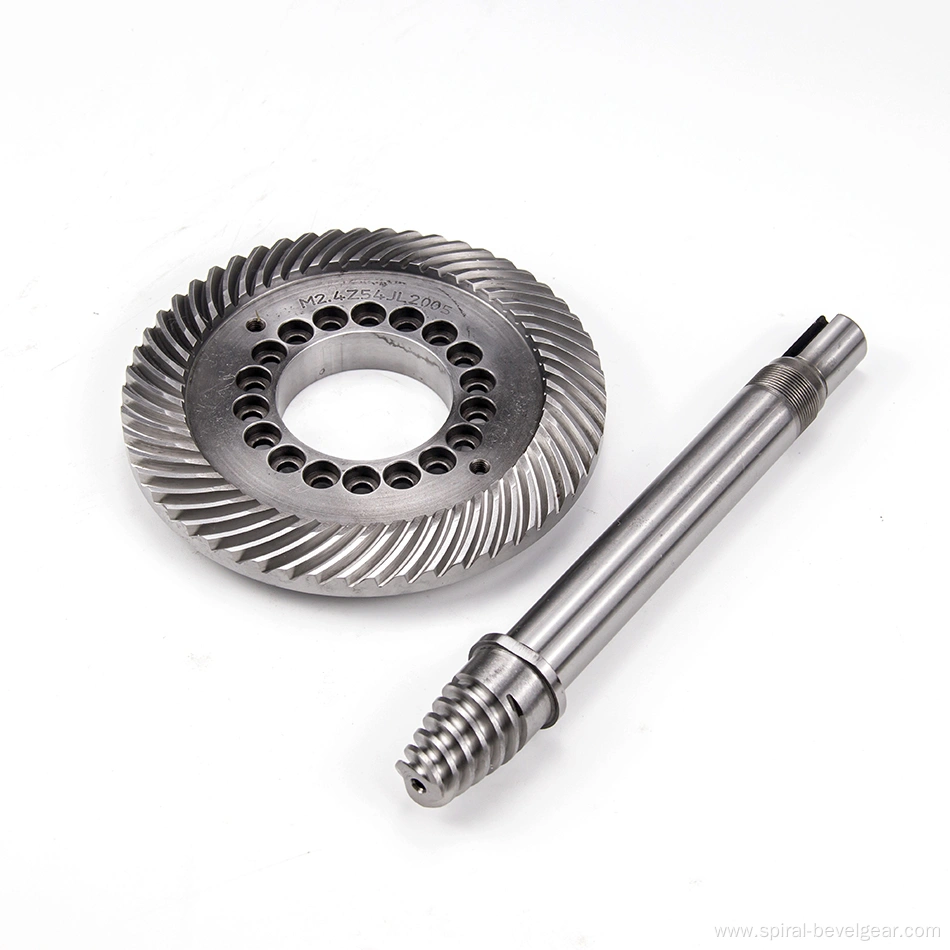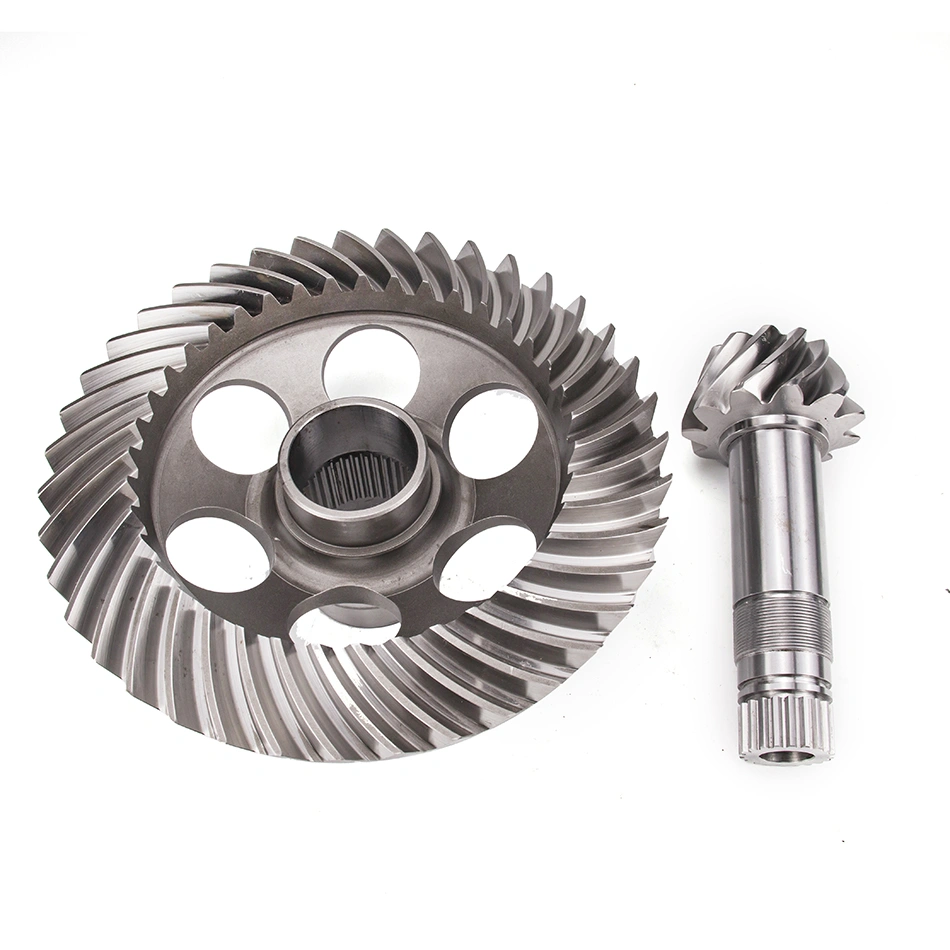
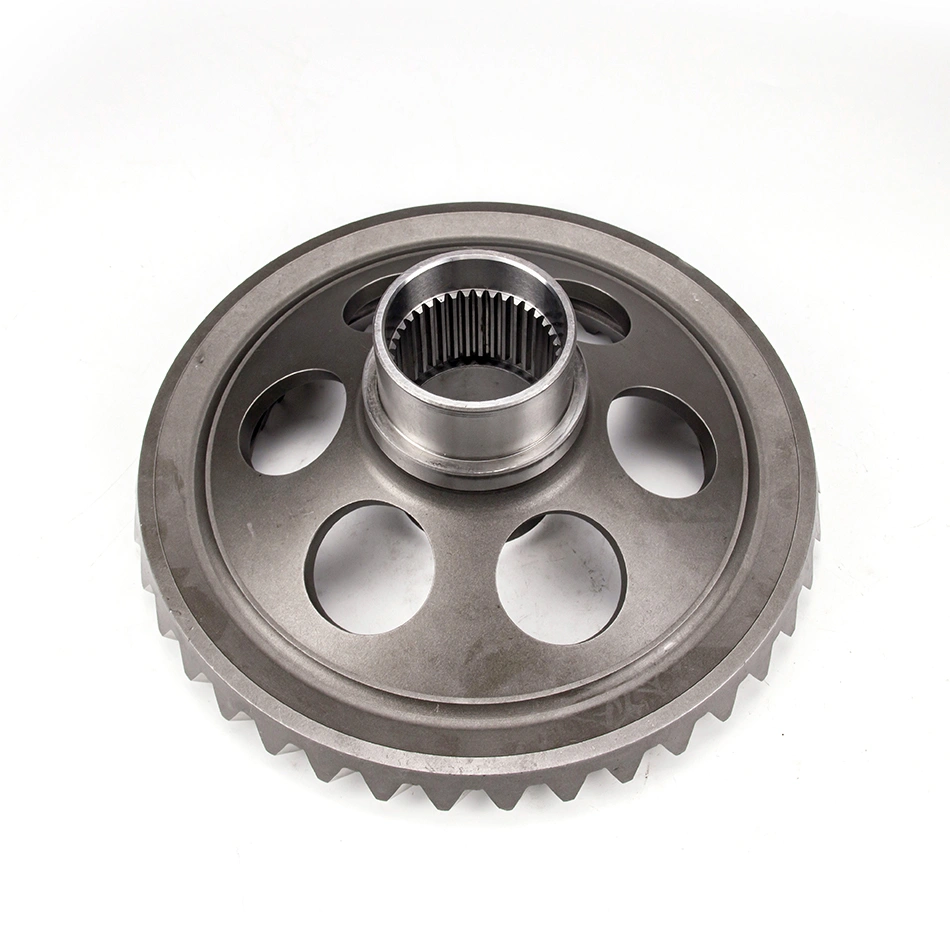
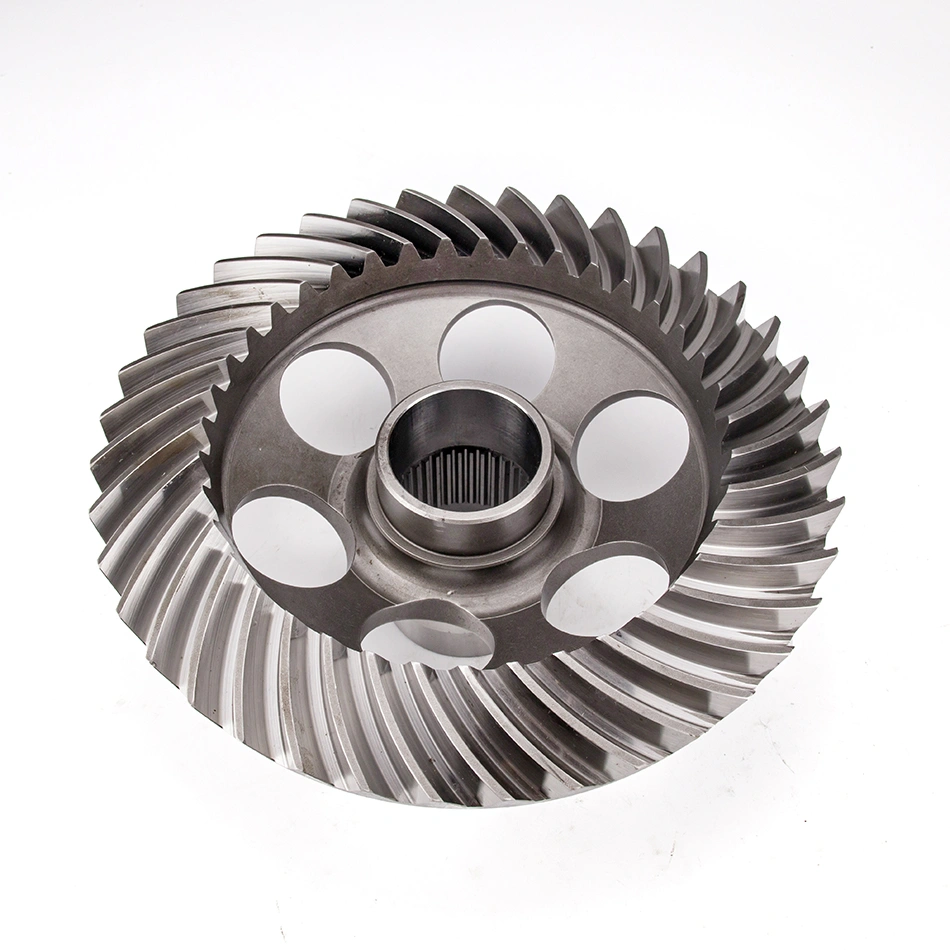
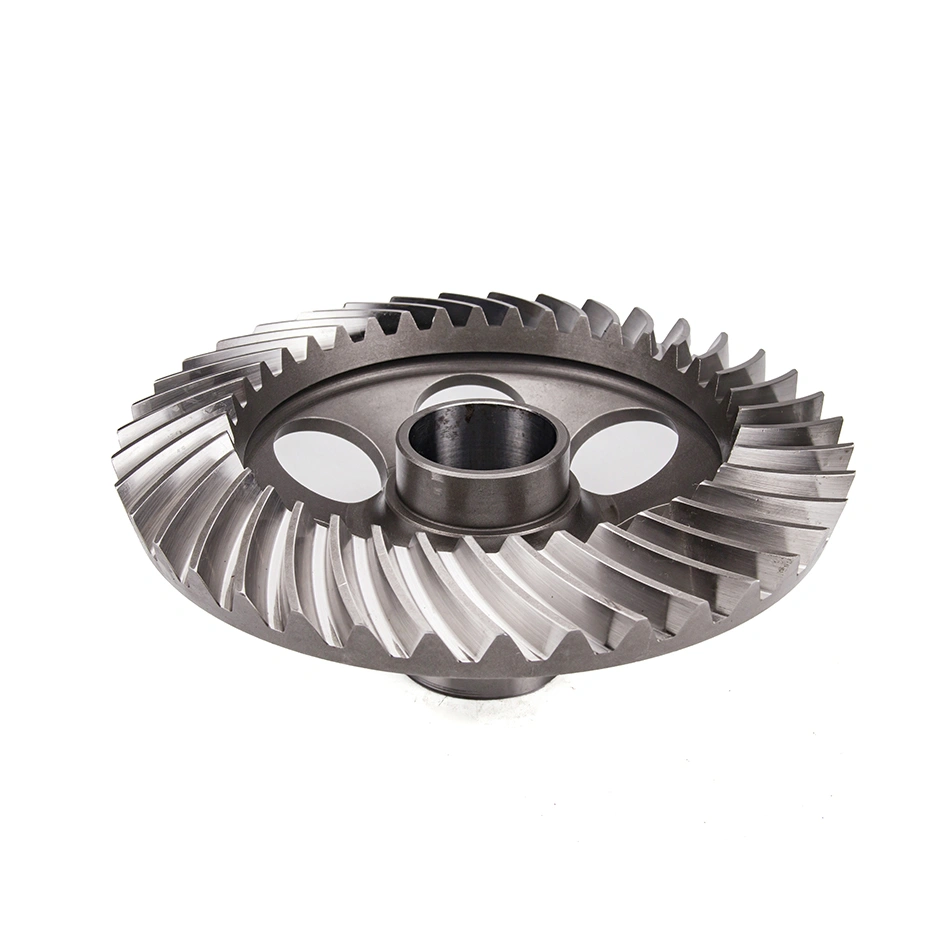
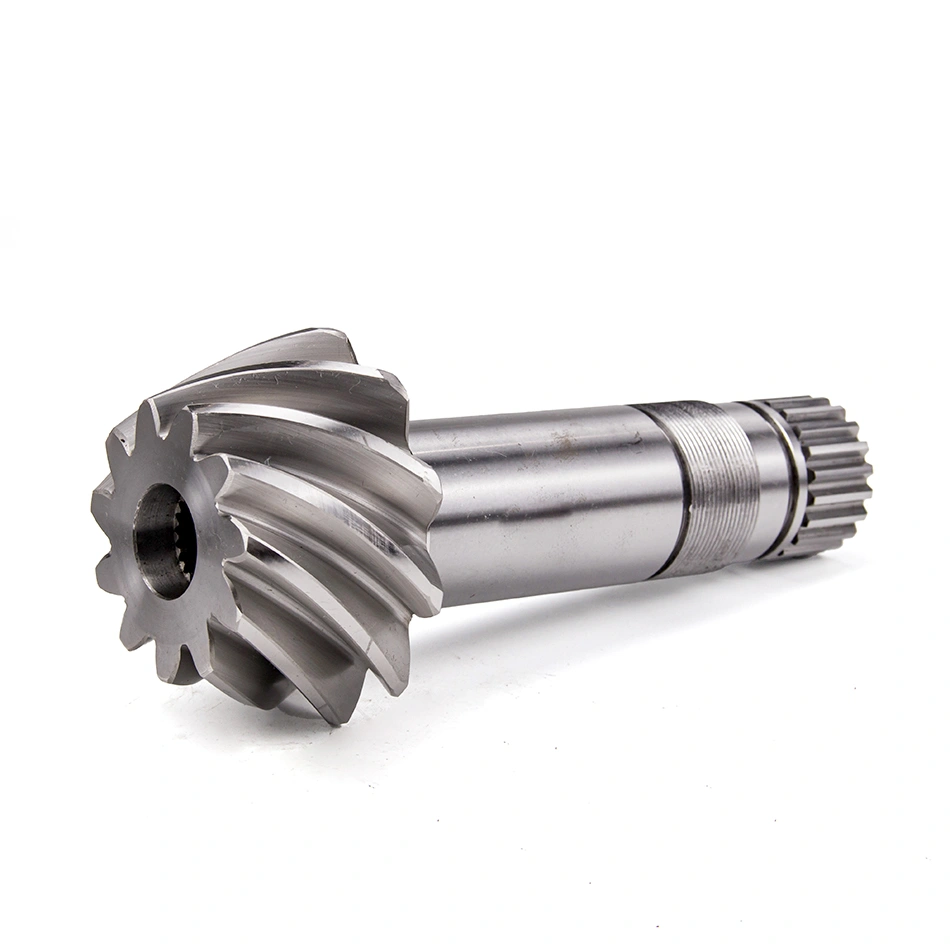
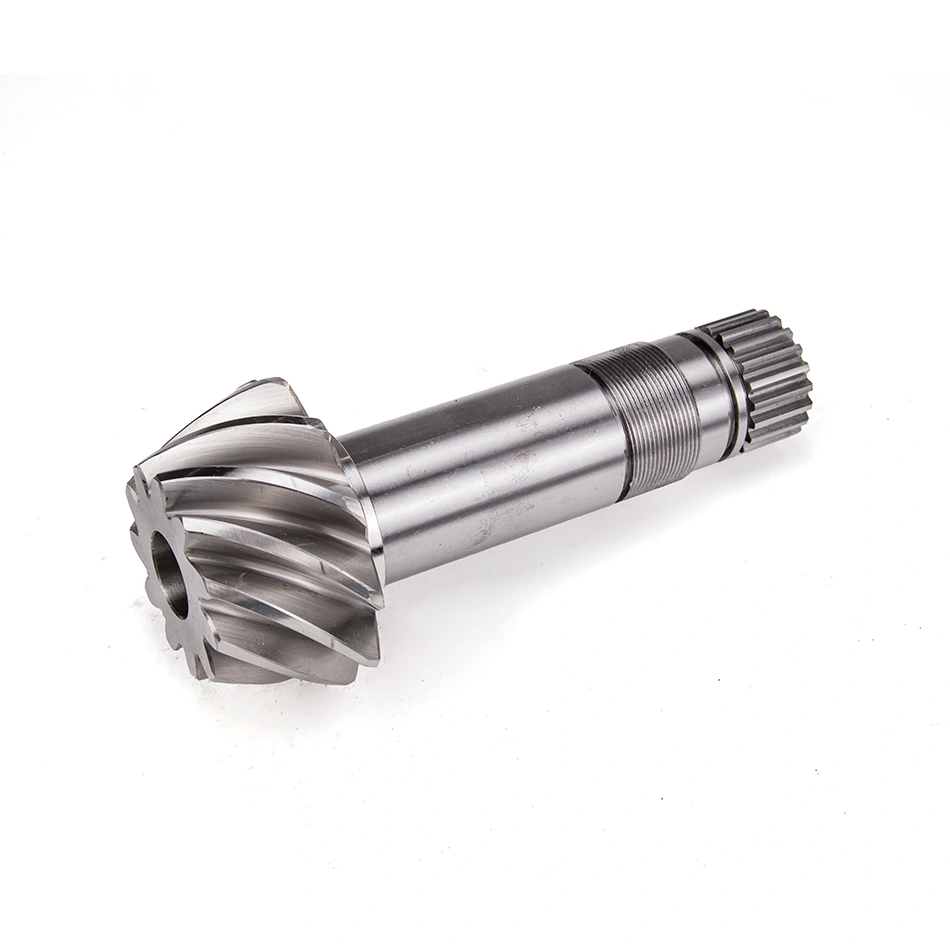
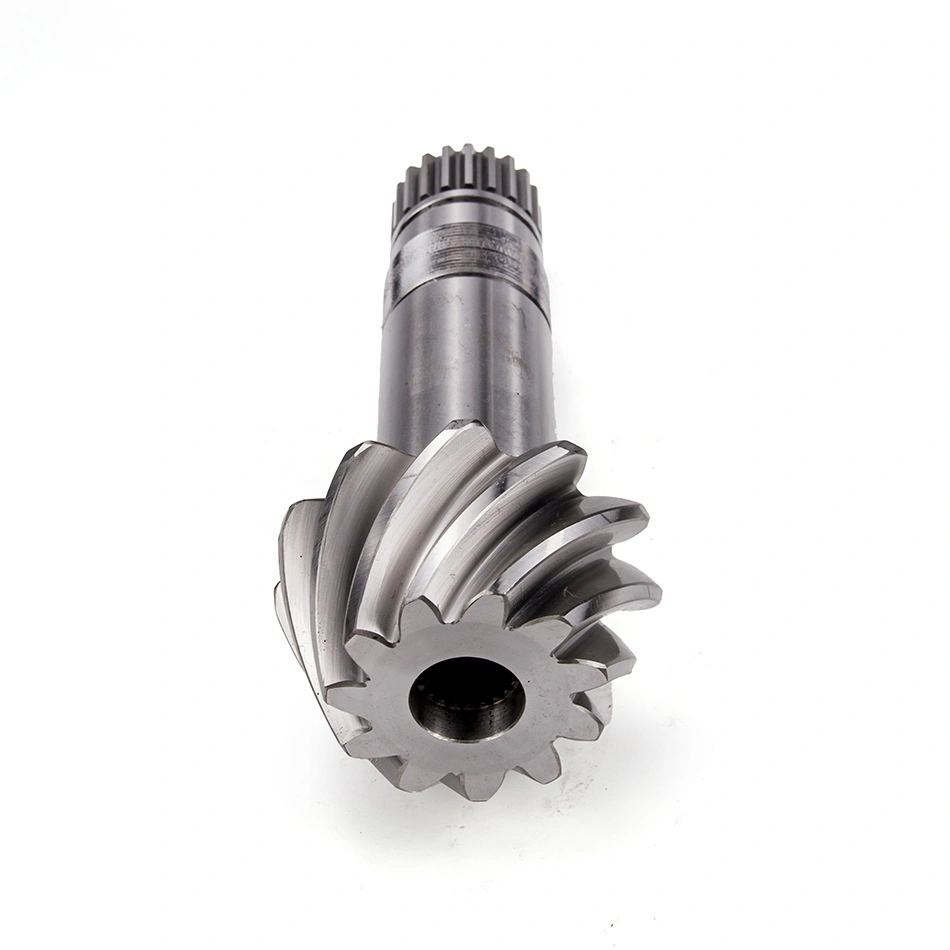
Industrial Helical Gears: Precision Engineering for High-Performance Applications. Helical gears are critical components in mechanical systems used to transmit power between intersecting shafts. These specialized gears feature a unique tooth profile design that enables smooth and efficient operation even under heavy loads and high speeds. The advantages of beveled helical gears lie in their ability to reduce noise and vibration, and improve load distribution at the gear meshing point. This makes them ideal for industrial applications with extremely high requirements for reliability, durability, and precision. Whether used in conveyor systems, automotive transmissions, or heavy machinery, these helical gears are designed to meet the highest performance and service life standards. Key Features of Durable Helical Gears. Durable helical gears are manufactured using high-quality materials, such as alloy steel, stainless steel, or other advanced alloys, ensuring wear resistance, corrosion resistance, and fatigue resistance. The helical tooth profile design increases the contact area between meshing gears, thereby improving efficiency and reducing friction. Furthermore, the beveled tooth profile helps to distribute load more evenly, minimizing stress on individual teeth and extending the service life of the gear set. These gears are available in a variety of sizes, gear ratios, and configurations to meet diverse mechanical needs. Their robust construction and precision manufacturing process make them suitable for both standard and custom applications. Detailed Explanation of
Spiral Bevel Gears: Spiral
Bevel Gears are a type of
Bevel Gear characterized by their conical and helical tooth profile. Unlike
Straight Bevel Gears, which have straight teeth and are noisier, spiral bevel gears feature an arc-shaped tooth profile design, resulting in smoother meshing and quieter operation. The helix angle of the teeth affects the direction of force during rotation, making these gears ideal for applications requiring minimal axial thrust. The conical tooth profile further enhances this advantage by providing a smooth transition from the tooth root to the tooth tip, ensuring more uniform motion and power transmission. The combination of these characteristics allows gear systems to operate with minimal vibration and maximum efficiency. Industrial-grade spiral gears are manufactured using advanced machining techniques, including CNC milling and hobbing, to achieve tight tolerances and consistent quality. Surface treatments, such as carburizing, nitriding, or quenching, improve surface hardness and wear resistance. These processes ensure that the gears maintain their integrity over long periods, even under harsh operating conditions. The use of precision bearings and proper lubrication further enhances the performance and service life of these gears in demanding environments. Applications of Spiral Gears in Various Industries: Spiral gears are widely used in various industrial sectors, including but not limited to manufacturing, agriculture, mining, and transportation. In conveying systems, they facilitate the efficient transfer of power between vertical shafts, enabling the efficient transport of materials. In automotive applications, they are commonly found in differential systems to transmit power from the drive shaft to the wheels. In heavy machinery such as excavators and bulldozers, helical gears ensure smooth and reliable operation under extreme conditions. Versatile and durable, helical gears are an indispensable component in any mechanical system requiring precise and efficient power transmission. Furthermore, helical gears are frequently used in robotics, aerospace, and marine equipment—fields with extremely high precision and reliability requirements.